When it comes to protecting your smartphone, the choices can feel overwhelming. Walk into any electronics store or browse online, and you’ll encounter hundreds of protective cases ranging from $5 options that look like they’ll disintegrate in your pocket to premium versions costing more than a restaurant dinner. Understanding what actually matters in phone protection and what’s pure marketing hype will save you money and ensure your device gets genuine defense against real-world hazards.
Why Phone Cases Matter More Than You Think
Before diving into how to choose, let’s establish why this decision matters. Your smartphone isn’t just an accessory; it’s a critical tool that connects you to work, family, emergency services, and information. A damaged phone isn’t just an inconvenience it’s a disruption to your entire life. Yet most people spend less time selecting phone protection than they spend choosing a coffee shop.
The statistics are telling. Over 50 million smartphones are damaged annually in the United States alone. Screen damage accounts for the majority of these failures, followed by water damage and internal component failure from impacts. The average smartphone user will drop their device at least once per week. Given these odds, protection isn’t paranoid it’s logical.
The question isn’t whether you need a protective case. The question is whether you’ll choose quality protection before an accident happens, or pay premium prices for repairs afterward.
Understanding the Different Types of Protection
Not all phone cases serve the same purpose, and understanding these categories helps you match protection to your actual needs.
Standard Cases
Standard protective cases offer basic defense against scratches, minor drops from waist height, and everyday wear. They typically feature a single layer of protective material, often silicone or TPU (thermoplastic polyurethane). These cases are lightweight, slim, and affordable usually in the $10-25 range.
Standard cases are appropriate if your phone rarely leaves a controlled environment. If you primarily use your phone indoors, in low-risk situations, and you’re generally careful with your devices, a basic case might be sufficient. However, they offer almost no protection against serious drops, crushing forces, or water exposure.
The catch with standard cases is that they provide false sense of security. Someone carries their phone in a basic case and thinks they’re protected, then a single drop from shoulder height causes screen damage. The case did its job of preventing scratches, but that’s not enough when serious impacts occur.
Impact-Resistant Cases
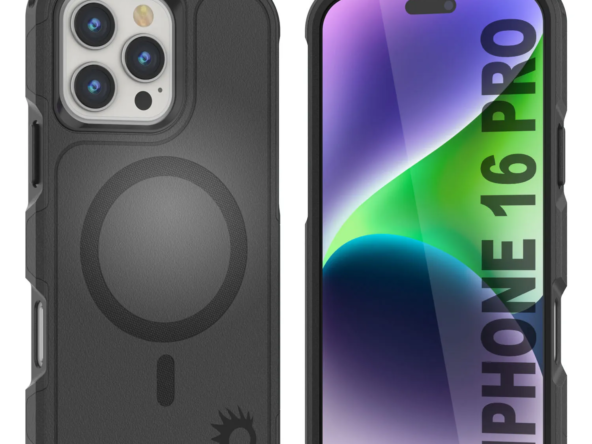
Impact-resistant cases use advanced shock-absorption technology to protect against drops and falls. These cases typically feature multiple material layers, reinforced corners, and strategic cushioning. They weigh more than standard cases and add noticeable bulk to your device, but the protection leap is substantial.
Impact-resistant cases are engineered to protect phones from drops of 4-10 feet (roughly 1.5-3 meters), which covers most real-world drop scenarios. They distribute impact forces across larger surface areas rather than concentrating them at the point of contact. The cost is higher typically $30-60 but the protection is proportionally better.
If you have young children, work in environments where drops are likely, or tend toward clumsiness, an impact-resistant case is a worthwhile investment. The additional bulk is a trade-off for genuine protection.
Waterproof and Water-Resistant Cases
Water-resistant cases slow water infiltration but don’t prevent it entirely. They might have water-resistant seals around openings and materials that shed water, but extended exposure or submersion will eventually allow moisture through. These are appropriate for protection against rain and accidental splashes.
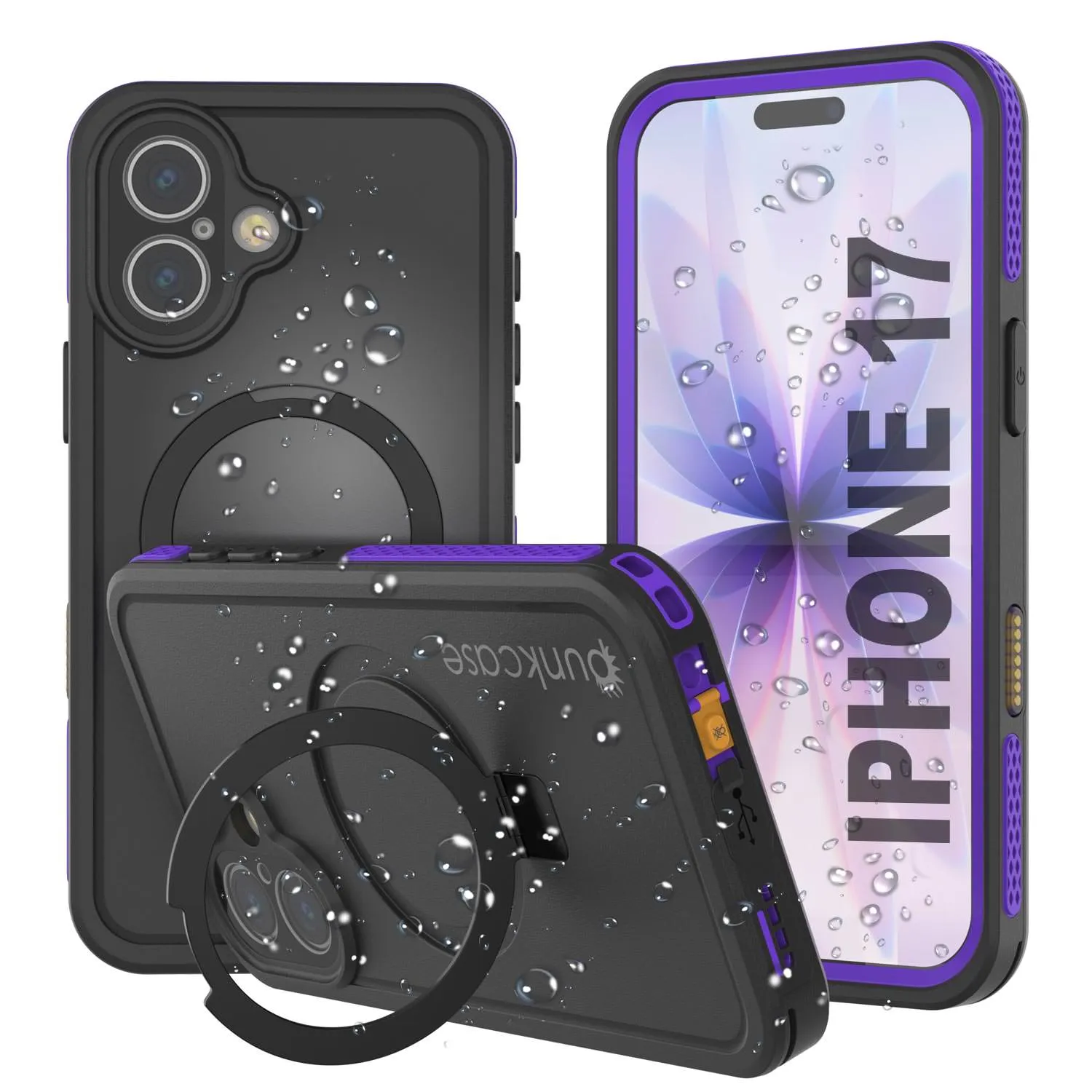
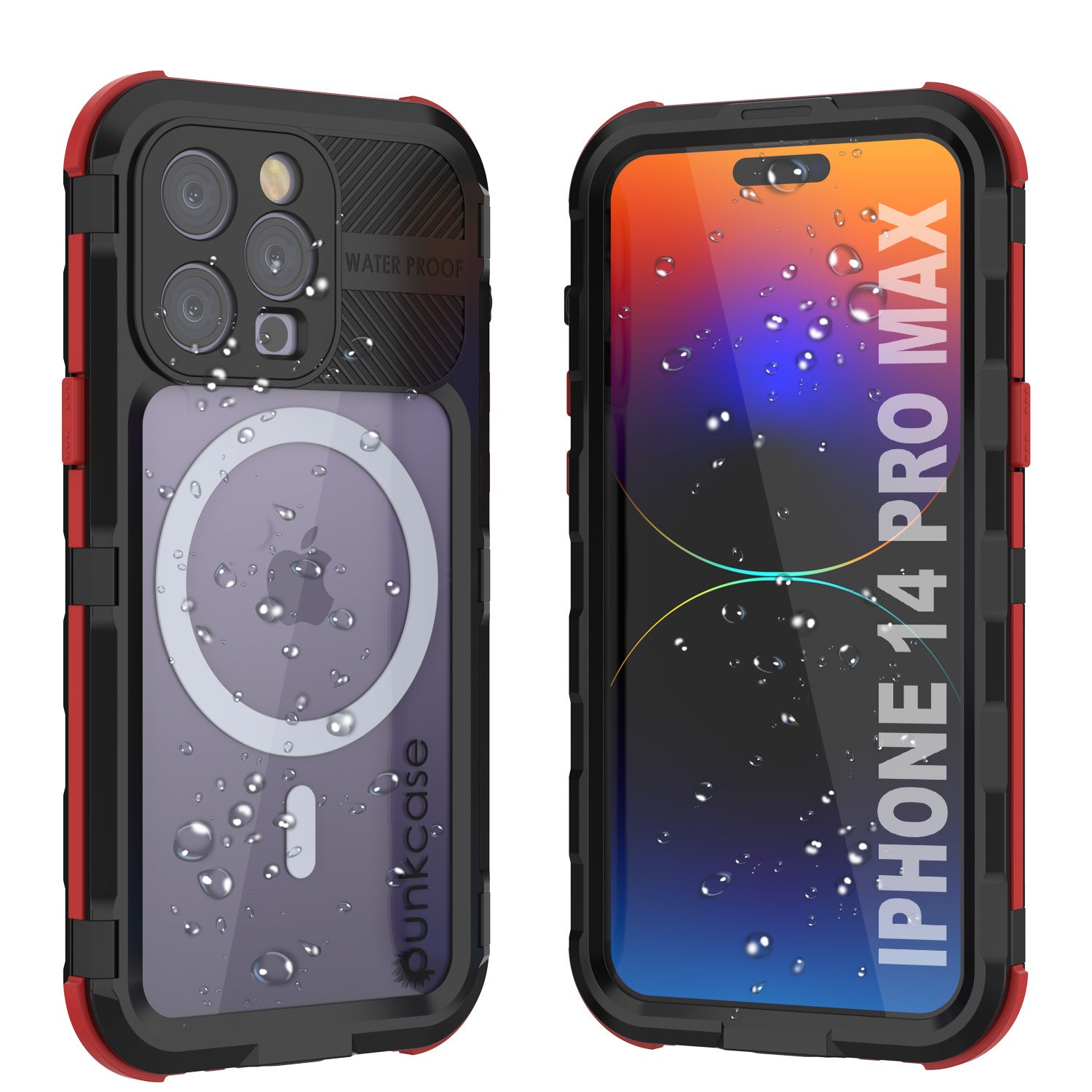
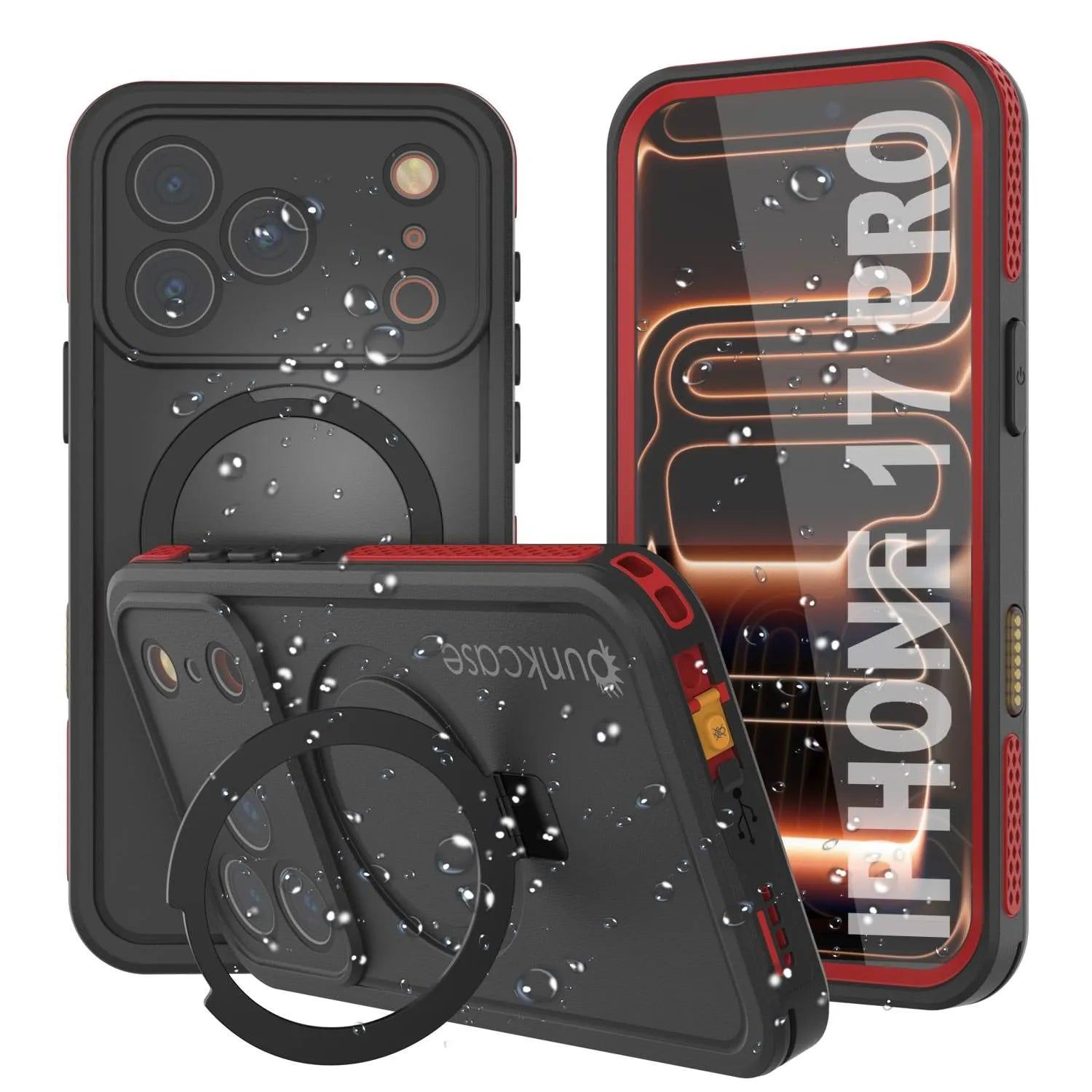
Waterproof cases create a complete barrier that prevents water from reaching your device. They feature sealed openings, gaskets, and materials chosen specifically for their water-blocking properties. Waterproof cases protect against submersion for specified depths and durations (usually indicated by an IP rating).
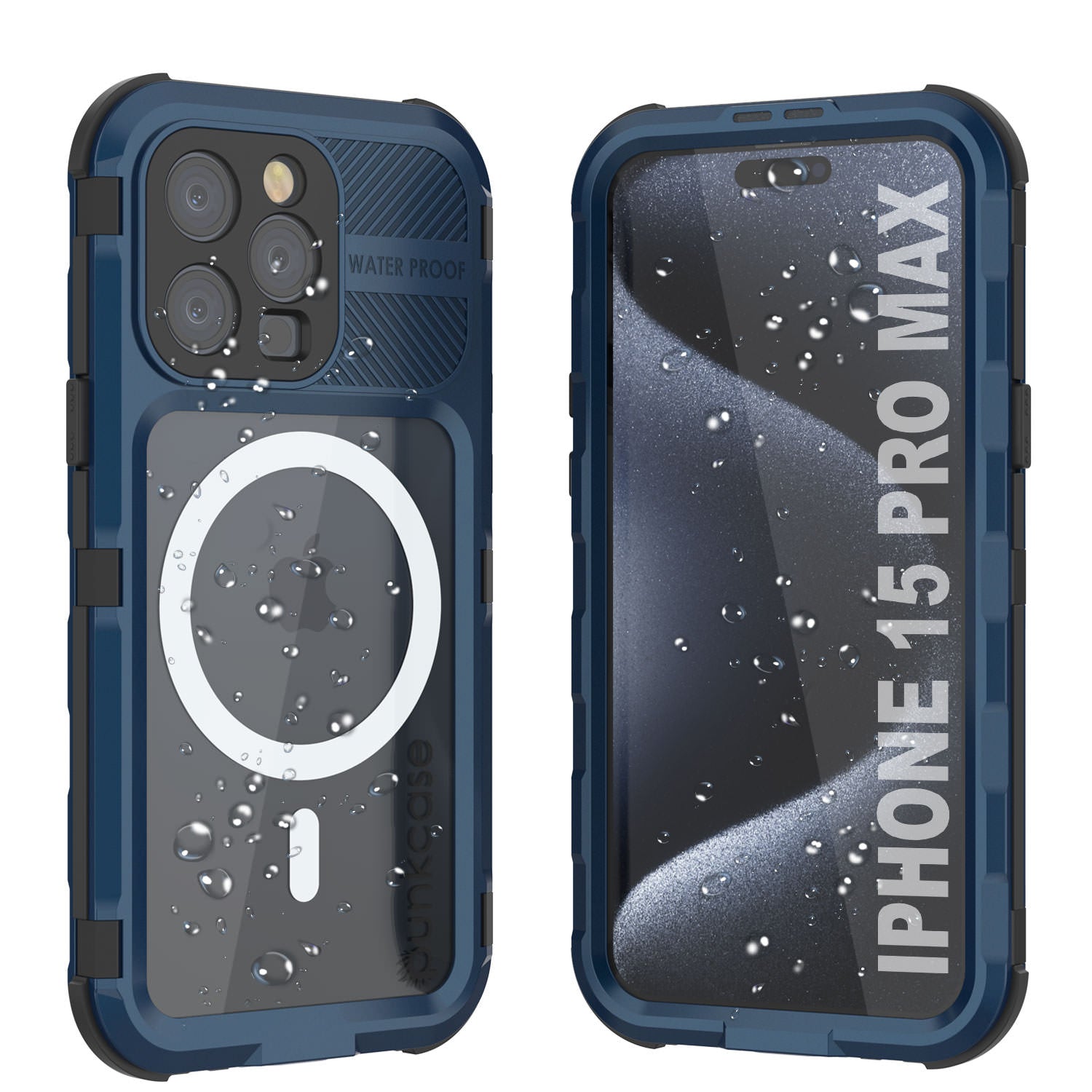
The distinction matters because water damage is one of the most common causes of phone failure. A case that merely resists water might fail when you need protection most. Genuine waterproof protection costs more typically $40-85 but it eliminates water damage as a concern entirely.
Hybrid Cases
Hybrid cases combine impact protection with water resistance or waterproofing. They offer comprehensive protection against multiple hazards in a single package. These are the most versatile option, providing defense against drops, water exposure, scratches, and general wear.
Hybrid cases cost more than single-purpose options usually $50-100 but they eliminate the need to choose between drop protection and water protection. If your lifestyle involves varied hazards (water activities, outdoor sports, busy commutes), a hybrid case covers all bases.
Decoding Technical Specifications
Understanding case specifications helps you evaluate whether marketing claims match actual protection.
IP Ratings Explained
IP ratings measure dust and water protection on a standardized scale. The rating consists of two digits. The first digit (0-6) measures dust protection. The second digit (0-9) measures water protection.
For phone protection, focus on the second digit:
- IP0-2: Minimal water resistance; protect against splashes only
- IP3-4: Water-resistant; handles splashes and light rain
- IP5-6: Water-resistant to water jets; brief submersion safe
- IP7: Protected during brief submersion (up to 1 meter, 30 minutes)
- IP8: Protected during extended submersion; manufacturer specifies depth and duration
An IP67-rated case means dust-tight protection and submersion protection to 1 meter for 30 minutes. IP68 offers extended submersion (often 2+ meters or longer duration). These ratings are tested in controlled laboratory conditions, which means real-world protection might be slightly less, but the ratings give you reliable baseline expectations.
Drop Test Ratings
Some cases carry certifications indicating they’ve passed specific drop tests. A case certified for 10-foot drops has been tested from that height onto hard surfaces, typically multiple times. Higher drop ratings indicate better protection, though they also usually indicate heavier, bulkier cases.
When evaluating drop test ratings, consider your actual needs. A 6-foot drop rating covers most real-world scenarios (dropping your phone while standing, from a countertop, from your car seat). A 10-foot rating provides extra margin for unusual drops but adds extra bulk.
Material Specifications
Cases constructed from premium materials perform better and last longer than budget alternatives. TPU (thermoplastic polyurethane) offers good shock absorption and flexibility. Polycarbonate provides rigidity and impact resistance. Reinforced materials at corners and edges protect against the most vulnerable areas.
Budget cases often use single-material construction with minimal engineering. Premium cases use carefully chosen combinations of materials, each optimized for specific protective functions. This approach costs more but delivers better real-world performance.
What Most People Get Wrong About Phone Cases
Myth 1: Bigger Bulk Equals Better Protection
Some people assume that thicker, bulkier cases provide better protection. In reality, protection quality depends on material engineering, not bulk. A thoughtfully designed case using premium materials might be slimmer than a poorly designed thick case yet provide superior protection.
What matters is shock-absorption quality, corner reinforcement, and material durability. A 5mm thick case with proper engineering beats a 10mm case with poor design every time.
Myth 2: Waterproof Cases Are Heavy and Cumbersome
Early waterproof cases were indeed bulky and difficult to use. Modern designs have improved dramatically. Contemporary waterproof cases are slim enough for daily carry while maintaining full protection. The perceived bulk penalty is much smaller than people expect.
Myth 3: Protective Cases Don’t Need Replacement
Cases degrade over time. Materials become less flexible, corners get crushed, rubber compounds harden. A case that provided excellent protection initially might fail to cushion impacts properly after a year of heavy use. Quality cases last 18-24 months under typical use before protection diminishes noticeably.
If your phone is two years old with an original case that’s taken significant impacts, replacing the case renews your protection investment. The phone is still valuable; the case needs refresh.
Myth 4: All Cases With High Ratings Are Equally Good
A case from an unknown brand carrying a 10-foot drop rating might not be equivalent to a 10-foot rated case from an established protective case company. Unknown brands sometimes exaggerate claims. Established companies maintain their reputation through consistent, verified performance.
When evaluating cases, check independent reviews and user feedback. Read reviews from people who’ve actually used the case for extended periods, not just initial impressions. Look for consistent patterns across multiple reviews rather than isolated anecdotes.
Myth 5: You Don’t Need Protection If You’re Careful
This is perhaps the most dangerous myth. Careful people still drop phones. Accidents happen to anyone. A moment’s distraction, an unexpected stumble, or someone bumping into you can result in a drop. Protection is insurance against bad luck, not a judgment on your carefulness.
Matching Cases to Lifestyles
Choosing optimal protection means matching case features to your specific risks.
For Office and Urban Professionals
If your phone spends most time in your bag or pocket, with occasional desk duty and regular exposure to coffee shops and restaurants, you need protection against:
- Accidental drops (moderate height)
- Spills and splashes
- Scratches from keys and other items in your bag
- Daily wear and appearance maintenance
A hybrid case offering moderate drop protection and water resistance is ideal. You don’t need extreme ruggedness, but water protection matters because office environments have more spill risks than you’d expect.
For Active Outdoor Enthusiasts
Hiking, biking, water sports, and outdoor recreation expose phones to:
- Falls from active pursuits
- Water exposure (rain, lakes, rivers, ocean)
- Dust and sand
- Extreme temperatures
- Crushing forces if you fall on your phone
You need genuine waterproof protection (not just water-resistant), robust drop protection, and materials that handle temperature extremes. Weight and bulk are less concerning because durability matters more in outdoor scenarios.
For Parents and Caregivers
If young children are around, phones experience:
- Frequent drops from small hands
- Accidental water exposure (spilled drinks, bath mishaps, pool dunking)
- Rough treatment and impacts
- Loss of protective features due to damage
You need impact-resistant cases rated for serious drops and waterproof or highly water-resistant options. The case will take a beating; choose one engineered for that reality.
For Construction and Industrial Work
Job site phones face:
- Heavy impacts and crushing forces
- Dust and debris
- Water and mud exposure
- Extreme temperature swings
- Falls from heights
- Chemical exposure
You need military-grade protective cases rated for serious abuse. At a job site, your phone isn’t just valuable—it’s essential for safety communication and coordination. Protection isn’t luxury; it’s equipment necessity.
For Casual Users with Budget Concerns
If you use your phone carefully, rarely engage in water activities, and want minimal cost, a basic standard case might suffice. However, even cautious people benefit from modest drop protection. A slightly better case costing $15-20 more provides significantly better protection without major bulk.
The Real Cost of Case Neglect
Let’s calculate the true cost of inadequate protection:
A phone costing $900 without protection: If it experiences water damage, repair costs $300-500. If it experiences screen damage, repair costs $250-350. If you need a replacement phone entirely, cost is $800-1200.
A protective case costing $50: Purchased every 2 years ($25 annually) for the life of your phone. Total protection investment over a 3-year phone lifespan: approximately $75.
Probability of needing protection: Over 50% of phone users experience damage within a 3-year period.
Expected value of protection: (50% × $400 average damage) = $200 expected savings per person. The $75 investment protects against $200+ in expected damage.
This is why protection is a fundamentally sound financial decision.
Maintenance and Care Tips for Maximum Case Longevity
Once you’ve chosen a quality protective case, maintaining it extends its effectiveness:
Regular Cleaning
Dirt, sand, and debris accumulate in case crevices, potentially scratching your phone or reducing grip. Clean your case monthly with mild soap and warm water. Pay special attention to corner areas and openings where debris collects.
Inspect for Damage
Every few months, examine your case for cracks, separating seams, or degraded materials. Damage might not be obvious but can compromise protection. A case that looks fine might have internal material separation.
Check Water Seals Periodically
If your case is waterproof, inspect seals and gaskets for degradation. Rubber compounds harden over time. A waterproof case that’s two years old should be tested before relying on it for water protection. Run water over it briefly and observe if any moisture reaches the interior.
Replace When Necessary
When protection noticeably degrades—after visible impacts, if you notice reduced water protection, or if materials feel less responsive replace the case. A compromised case provides false security, which is worse than no case at all.
Making Your Final Decision
Choosing the right protective case requires balancing several factors: protection level, cost, aesthetics, bulk, and lifestyle fit. There’s no universally “best” case—only the best case for your specific situation.
Start by honestly assessing your lifestyle risks. What are the actual threats your phone faces? Be specific. Then identify which protection features matter most. Finally, read genuine reviews from users with similar needs to your own.
Quality protection doesn’t require spending enormous amounts of money. It requires choosing thoughtfully rather than defaulting to whatever’s cheapest or most visually appealing. A $50 case that provides genuine protection for two years is dramatically better value than a $15 case that provides inadequate protection and requires replacement yearly.
Your phone is valuable. Your connection to the world through that device is valuable. Your photos, messages, work, and memories stored on it are valuable. Protection that costs less than you’d spend on lunch is a rational investment in something that matters to you.
The next time you drop your phone, or spill something on it, or expose it to impact, you’ll either be grateful for your protection investment, or you’ll regret not making that investment. Make the choice today that your future self will thank you for.